Hello everyone! Today, I’m going to share my personal top 5 best house spiders.
Important information for residents of Australia and New Zealand: we will mostly be talking about spiders common in Europe and North America. Oh, and yes, all 5 spiders are venomous, but they won't just bite a human for no reason - only if provoked - and their venom is not fatal. In any case, you shouldn't touch or catch a spider with your bare hands. If one is bothering you, use the time-tested cup and cardboard method.
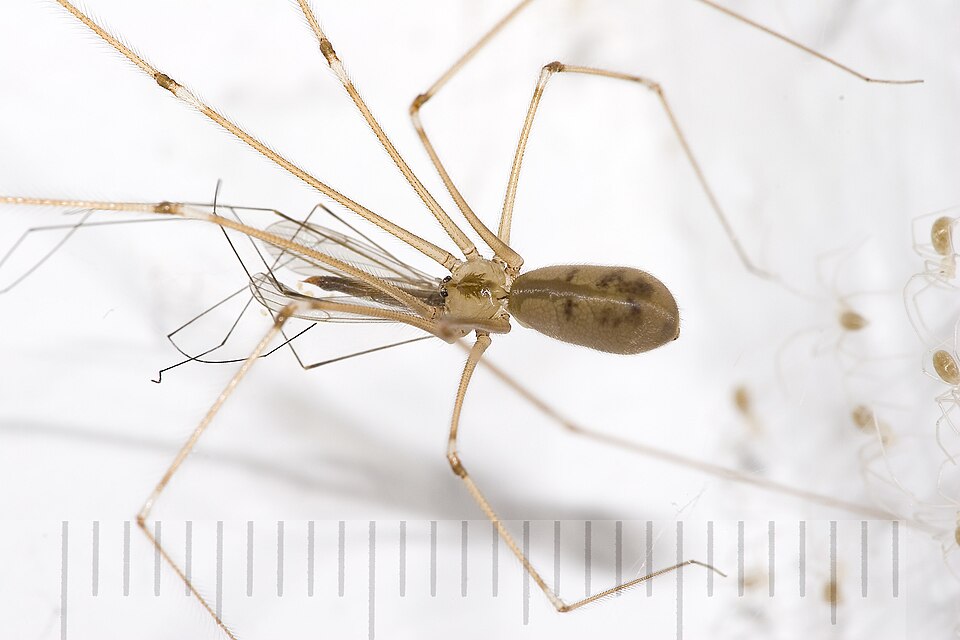
1. Cellar Spider Pholcus phalangioides
🖼️ by_OleiPholcus_phalangioides_6908.jpg
Heading our top list is the cellar spider - the ultimate perfect roommate. This guy put all his evolutionary points into incredibly long, thin legs, a small body, and loose, messy cobwebs in the corners of ceilings, basements, and bathrooms. It preys on tiny insects and even other spiders.
Parameters: Body length - approximately 7-10 mm Leg length - up to 5-6 cm Lifespan - up to 3 years Hunting method - cobweb snare
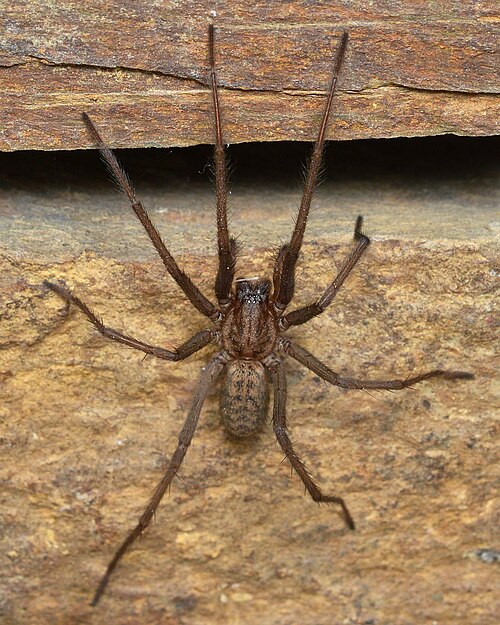
2. Giant House Spider Eratigena atrica and related species
🖼️ by_Ryan_Hodnett_giant_spider.jpg
A large brown spider with long legs that hangs out in basements, garages, and occasionally living areas. It weaves funnel-shaped webs and catches small arthropods. Despite its intimidating size, it is very shy around humans. You are especially likely to notice these spiders in late summer and autumn, when males actively start searching for mates.
Parameters: Body length - approximately 10-16 mm Leg span - in males can reach a few centimeters, sometimes around 7-8 cm Lifespan - males usually live about 1.5 years, while females can live 2 years or longer Hunting method - web with a funnel-shaped retreat
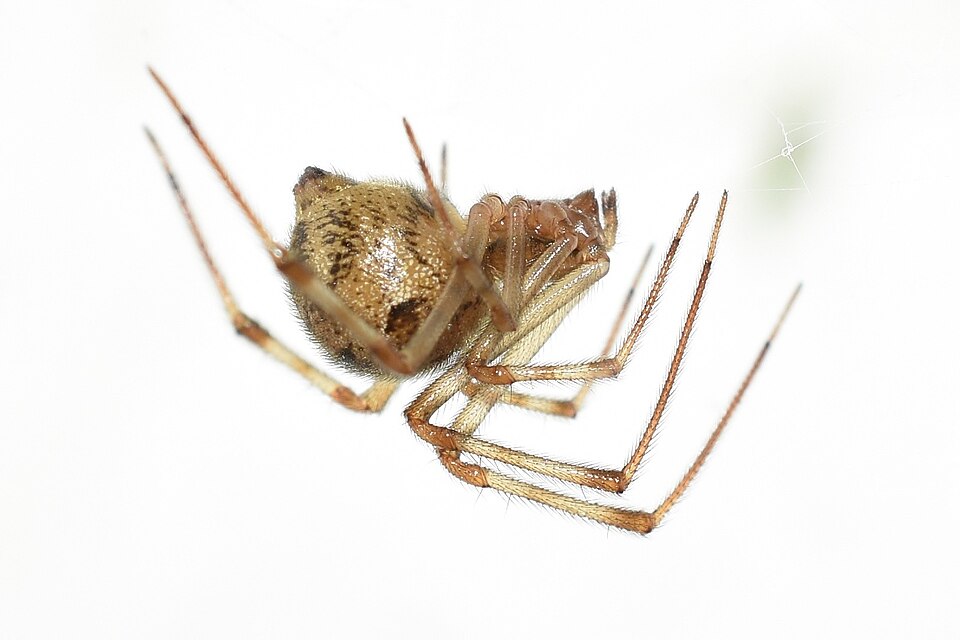
3. Common House Spider Parasteatoda tepidariorum
🖼️ by_Daniel_fox123.jpg
The hero in third place is a small spider with a rounded abdomen, which frequently sets up a chaotic tangled web in the corners of windows, closets, and garages. It can reside in a building for a long time, meaning it keeps catching small pests for months.
Parameters: Body length - approximately 3.5-7.5 mm Leg span - depends on the gender and size of the individual; noticeably larger than the body length Number of eggs per sac - can reach up to around 400 Hunting method - tangled cobweb
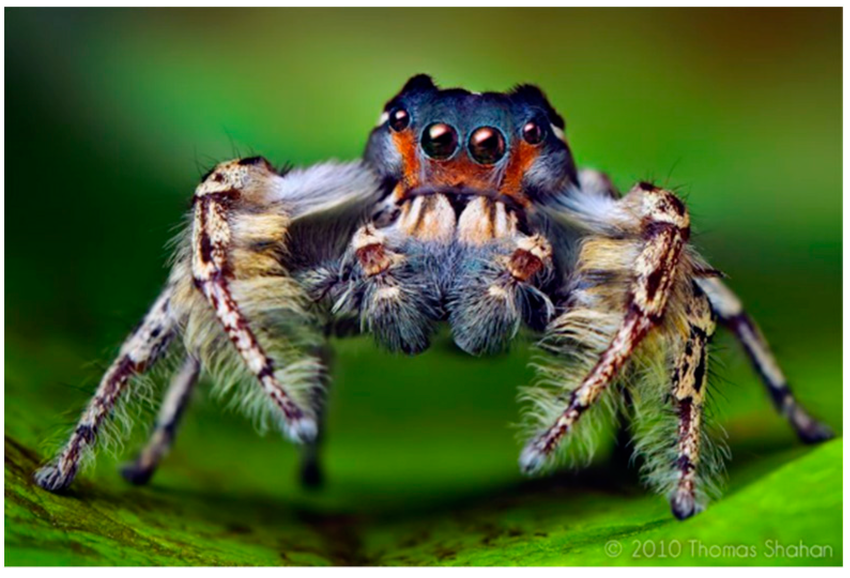
A tiny assassin with massive front eyes. He isn't like an old man quietly ice fishing; he is an athlete that stalks his prey and then makes a highly precise leap onto it. They are typically found near windows, on walls, and around houseplants.
Parameters: Body length - varies by species; for many small species, it is just a few millimeters Vision - jumping spiders are renowned for exceptionally well-developed eyesight among spiders Hunting method - active stalking and pounce/jump on prey Web - not used for hunting, but silk is utilized as a safety dragline and for building shelters
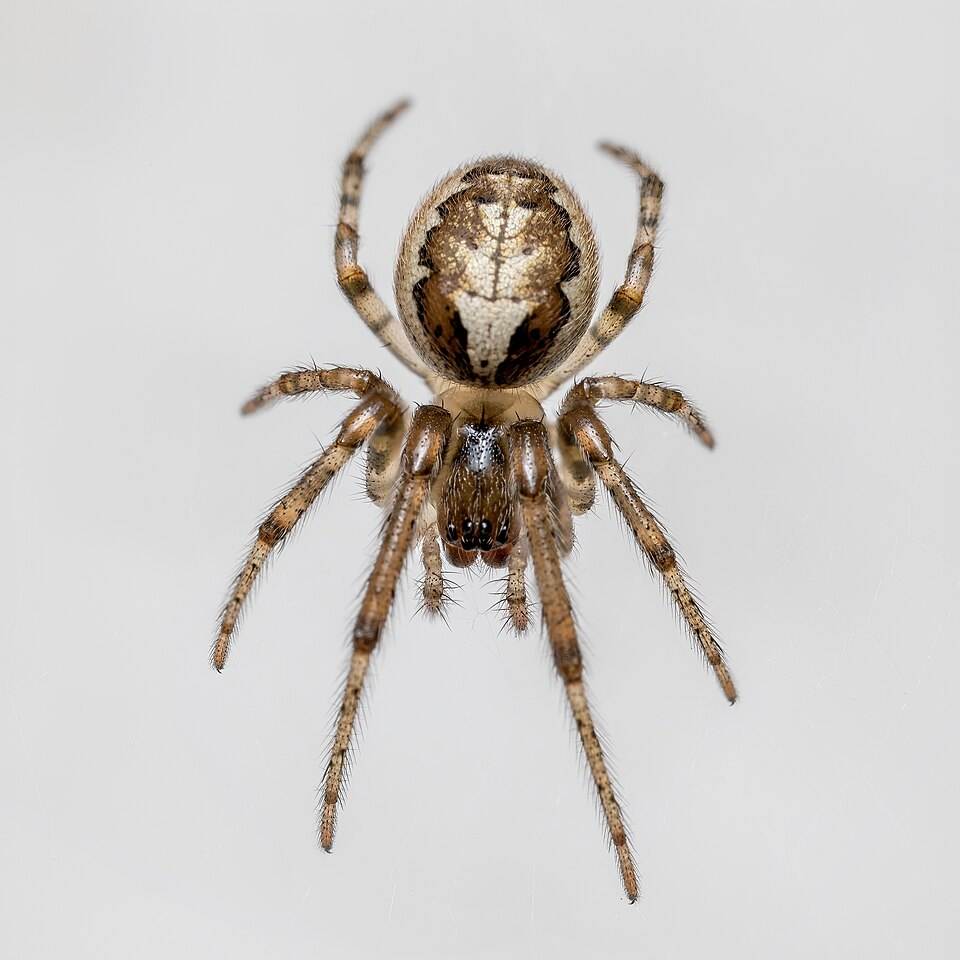
Closing out our top list is the sector spider. This character is often encountered near windows and on the external frames of buildings. It spins a circular orb web with a missing sector, connected via a signal thread to its hideout.
During the day, it usually hides in its retreat waiting for prey. When an insect flies into the web, the spider feels the vibrations along the signal thread and rushes out to inspect the catch. If necessary, the spider also repairs its web.
Parameters: Female body length - approximately 5-11 mm Adult female lifespan - about 5-7 months Hunting method - circular orb web with a missing sector and a signal thread Primary prey - small flying insects
Well, my list has come to an end. That's all from me!